
Endodontic treatment · Lewes, DE
Root canals that save the tooth.
Not long ago, a tooth with a diseased nerve was usually a tooth you lost. Today a root canal can save it, in a relatively simple procedure of one to three office visits, so you keep your natural tooth and your smile.
In severe pain or swelling? Call now and we’ll see you as soon as we can ·Get directions

Signs you may need a root canal
If you notice any of these, give us a call.
- Severe toothache
- Pain when chewing or biting down
- Lingering sensitivity to hot or cold
- A tooth that has darkened in color
- Swollen or tender gums near the tooth
Not always painful. A tooth can need a root canal without hurting at all.
Inside your tooth
The nerve is small. An infection isn’t.
A root canal treats the pulp at the very center of the tooth. Here’s what’s in there, and how a small crack or cavity can turn into a serious infection.
Three layers, outside in
Enamel
The hard outer shell of the crown, the part of the tooth you can see.
Dentin
The layer beneath the enamel that makes up most of the tooth.
PulpTreated in a root canal
Soft tissue at the center, where the nerve is. Its only job in an adult tooth is sensing hot and cold.
Because the nerve only senses temperature once a tooth has come in, removing it won’t change how the tooth works day to day.
How an infection progresses
A crack or deep cavity
Opens a path through the enamel and dentin.
Bacteria reach the pulp
Germs get into the soft tissue and infect the inside of the tooth.
An abscess may form
Left untreated, the infection can cause pain and swelling.
Jawbone and health at risk
Infection can injure the jawbone and affect your overall health, and the tooth may have to be removed.
A root canal stops this early. Removing the infected tissue lets you keep the tooth instead of having it removed.
What happens during a root canal
One to three visits to keep your tooth.
Your general dentist or an endodontist removes the infected tissue, then cleans, seals and fills the tooth so it can keep working like it always has.
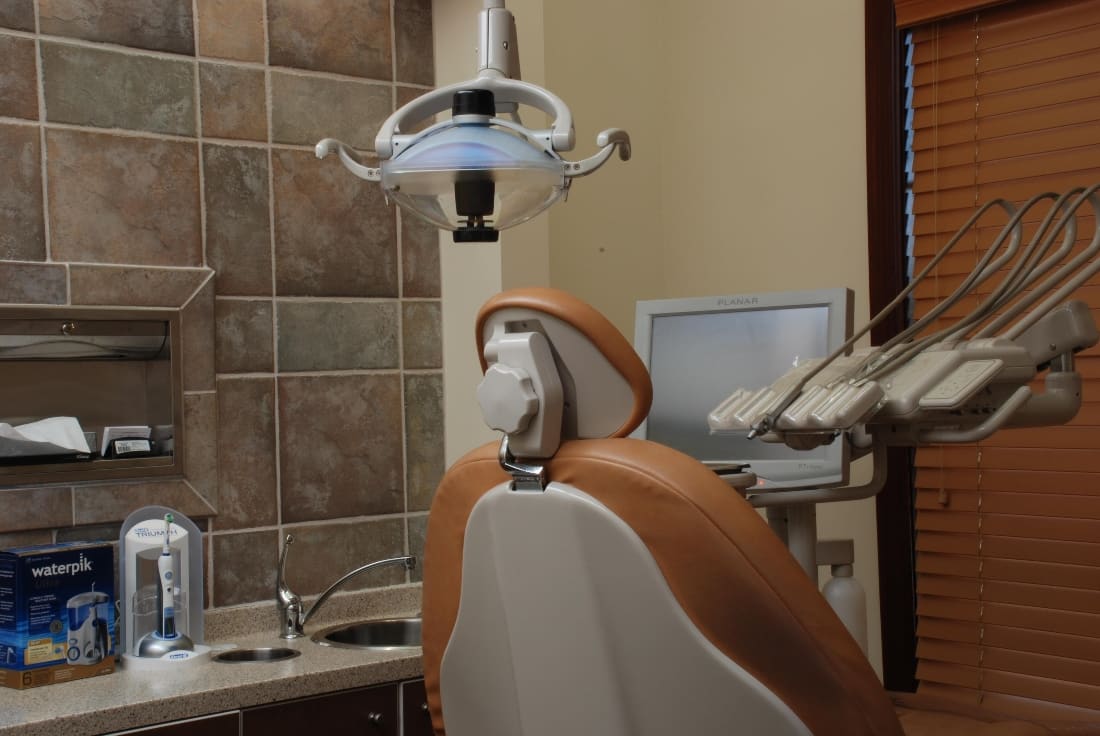
Built to last
Keep up with brushing, flossing and checkups, and your restored tooth can last a lifetime.
Find the cause
We examine the tooth and take X-rays to see whether the pulp is infected and a root canal is the right treatment.
Remove the affected tissue
Your general dentist or an endodontist (a dentist who specializes in the nerves of the teeth) removes the infected pulp.
Clean and seal the inside
The interior of the tooth is cleaned and sealed to keep bacteria out.
Fill the tooth
The tooth is filled with a dental composite.
Protect it with a crown
If the tooth had extensive decay, we may suggest a crown to strengthen it and protect it from breaking.
Related care
Before and after your root canal.
Dental crowns
Strengthens and protects a tooth after a root canal, especially one with extensive decay.
Emergency dental care
Severe toothache or swelling? Call us first and we’ll see you as soon as we can.
Dental exams & cleanings
Regular checkups catch deep cavities and cracks before they reach the nerve.
Dental implants
If a tooth can’t be saved, an implant replaces it from the root up.
Oral & maxillofacial surgery
Specialized surgical care in-house, without a referral elsewhere.
Common questions
Root canal FAQ
Have another question about root canals? Call us and we’ll be glad to help.
- What is the purpose of a root canal?
- When a tooth is cracked or has a deep cavity, bacteria can infect the pulp inside it. A root canal removes the infected tissue, then cleans and seals the tooth, so you can keep it instead of losing it.
- Can a tooth work without its nerve?
- Yes. Once a tooth has come in through the gums, its nerve only senses hot and cold. Having or not having a nerve won’t affect how the tooth works day to day.
- How many visits does a root canal take?
- Root canal treatment usually takes one to three office visits.
- Do I need a root canal if my tooth doesn’t hurt?
- Possibly. Teeth that need a root canal aren’t always painful. A darkened tooth or tender, swollen gums nearby can also be signs, so it’s worth having us take a look.
- Will I need a crown afterward?
- Not always. If your tooth had extensive decay, your dentist may suggest a crown to strengthen it and protect it from breaking.
- How long does a tooth last after a root canal?
- As long as you keep caring for your teeth and gums with regular brushing, flossing and checkups, your restored tooth can last a lifetime.
4,000+ five-star reviews
Kind words from our patients
I know most people hate the dentist but I love it! And it especially helps having such a great dental team that I know I can trust. I love leaving with my teeth feeling clean and well cared for. Dr. Bryan and his assistants (both Jess and Aliya) are so kind and caring.
Kristen F. · Google review
My experience with Dr. Labin has been nothing but positive! I have been going to him for years and he is very gentle, making sure his patients are comfortable before he starts any procedure. The staff, from the office staff to the dental hygienists, are all professional and go above and beyond.
Carolyn C. · Google review
Tooth pain that won’t let up?
Call our team at Carpenter’s Crossing in Lewes. The sooner we see it, the better the chance of saving the tooth.
Visit us
We look forward to meeting you.
Always accepting new patients from Lewes and the surrounding communities. We’ll work with you to schedule appointments that fit your life.
Dental emergency?
Don’t wait for it to get better on its own. Call us right away and we’ll fit you in.
- Address
- 34359 Carpenter’s Way
Lewes, DE 19958 - Office hours
Monday – Thursday 7:00am – 5:30pm Friday 7:00am – 4:00pm Saturday & Sunday Closed