
Oral surgery · Lewes, DE
Wisdom teeth removal, sooner and simpler.
Wisdom teeth are the molars at the very back of your mouth, usually arriving in your late teens or early twenties. When there isn’t room for them, they can become impacted and may need to come out.
Sedation available if you’re feeling nervous ·Get directions

Signs of an impacted wisdom tooth
Call us if you notice any of these at the back of your mouth.
- Tender gums at the back of your mouth
- Swelling around your back teeth
- Pain at the back of your jaw
- Back teeth that are hard to clean
- Infections that keep coming back
- Decay in your back molars
Not sure? A panoramic X-ray shows us whether your wisdom teeth need to come out.
Impacted wisdom teeth
When there’s no room, they get stuck.
A wisdom tooth is impacted when it fails to come in fully, because there isn’t enough room in the jaw or it’s growing in at an angle. The angle tells us how it’s stuck.
Mesial
Most commonAngled forward, toward the front of your mouth.
Vertical
Upright, but held back under the gum or bone.
Horizontal
Lying on its side, pressing into the molar in front.
Distal
Angled backward, toward the rear of your jaw.
In each sketch, the front of your mouth is to the left. The outlined tooth is the wisdom tooth.
If an impacted tooth stays in
- Gum tenderness, swelling or severe pain
- Tooth decay, because they’re hard to clean
- Recurring infections
- Gum disease
Why sooner is easier
Late teens and early twenties are the best time.
At that age the roots often haven’t fully formed and the surrounding bone is less dense. Both make the extraction easier and the recovery much shorter. If we recommend removal, it’s best done sooner rather than later.
How removal works
Numbed, comfortable, and done with care.
Every extraction is planned around your X-ray, so we know exactly where the tooth sits before we begin.
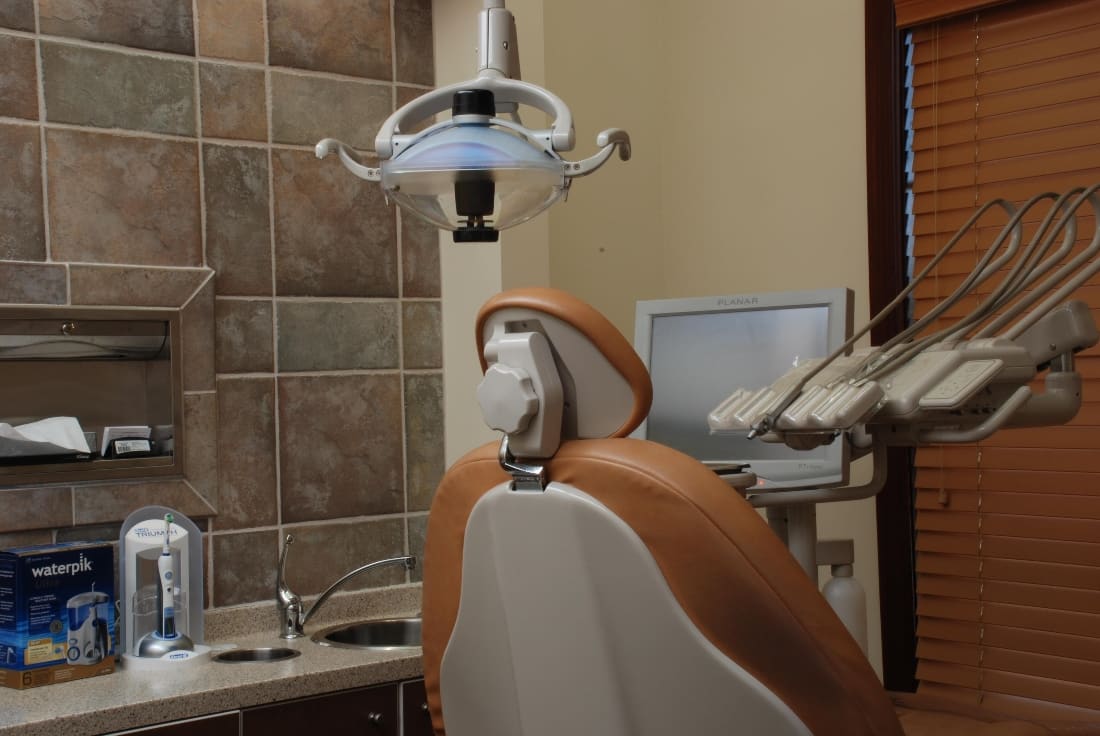
Feeling nervous?
Ask about sedation. We can safely help you relax during the extraction.
A panoramic X-ray
Every patient’s situation is unique. A panoramic X-ray shows the position and angle of each wisdom tooth, so we can tell whether it needs to come out.
Numbing, and sedation if you’d like
We numb the area around the tooth with a local anesthetic. If you’re feeling nervous, we can use additional medication to safely sedate you.
Careful removal
If the tooth is still under the gum or in the jawbone, we remove a small portion of the covering bone. We often section the tooth so each piece comes out through a small opening, keeping the bone removed to a minimum.
Healing at home
Healing time depends on how involved the extraction was. We’ll tell you what to expect and give you instructions for a comfortable recovery.
Related care
Care for the back of your mouth.
Oral & maxillofacial surgery
Surgical care for the mouth, jaw and face, close to home.
Emergency dental care
Sudden pain or swelling at the back of your jaw? Call us today.
Dental exams & cleanings
We keep an eye on your wisdom teeth at every checkup.
Periodontal (gum) treatment
Hard-to-clean wisdom teeth can lead to gum disease.
Root canals
If a back molar is damaged by decay, a root canal may save it.
Common questions
Wisdom teeth FAQ
Have another question about your wisdom teeth? Call us and we’ll be glad to help.
- What are wisdom teeth?
- Wisdom teeth are molars at the very back of your mouth. They usually appear in your late teens or early twenties.
- What does it mean when a wisdom tooth is impacted?
- It means the tooth fails to erupt fully, usually because there isn’t enough room in the jaw or it’s coming in at an angle. The most common type is “mesial,” meaning the tooth is angled forward toward the front of your mouth.
- Do all wisdom teeth need to be removed?
- Not always. Each patient’s situation is unique, so we usually take a panoramic X-ray to determine whether your wisdom teeth need to be removed.
- What happens if I don’t remove an impacted wisdom tooth?
- You may develop gum tenderness, swelling or even severe pain. Impacted wisdom teeth that have partially or fully come in are hard to clean, so they’re prone to decay, recurring infections and gum disease.
- Why remove wisdom teeth sooner rather than later?
- In your late teens or early twenties, the roots often haven’t fully formed and the surrounding bone is less dense. Both make the extraction easier and the recovery much shorter.
- Will I be awake during the procedure?
- We numb the area with a local anesthetic. If you’re nervous, we can also use additional medication to safely sedate you during the extraction.
- How long does recovery take?
- It varies with how involved the extraction was. We’ll let you know what to expect and give you instructions for a comfortable, efficient recovery.
4,000+ five-star reviews
Kind words from our patients
I know most people hate the dentist but I love it! And it especially helps having such a great dental team that I know I can trust. I love leaving with my teeth feeling clean and well cared for. Dr. Bryan and his assistants (both Jess and Aliya) are so kind and caring.
Kristen F. · Google review
My experience with Dr. Labin has been nothing but positive! I have been going to him for years and he is very gentle, making sure his patients are comfortable before he starts any procedure. The staff, from the office staff to the dental hygienists, are all professional and go above and beyond.
Carolyn C. · Google review
Pain at the back of your jaw?
Call our team at Carpenter’s Crossing in Lewes. We’ll take an X-ray and talk you through your options.
Visit us
We look forward to meeting you.
Always accepting new patients from Lewes and the surrounding communities. We’ll work with you to schedule appointments that fit your life.
Dental emergency?
Don’t wait for it to get better on its own. Call us right away and we’ll fit you in.
- Address
- 34359 Carpenter’s Way
Lewes, DE 19958 - Office hours
Monday – Thursday 7:00am – 5:30pm Friday 7:00am – 4:00pm Saturday & Sunday Closed